
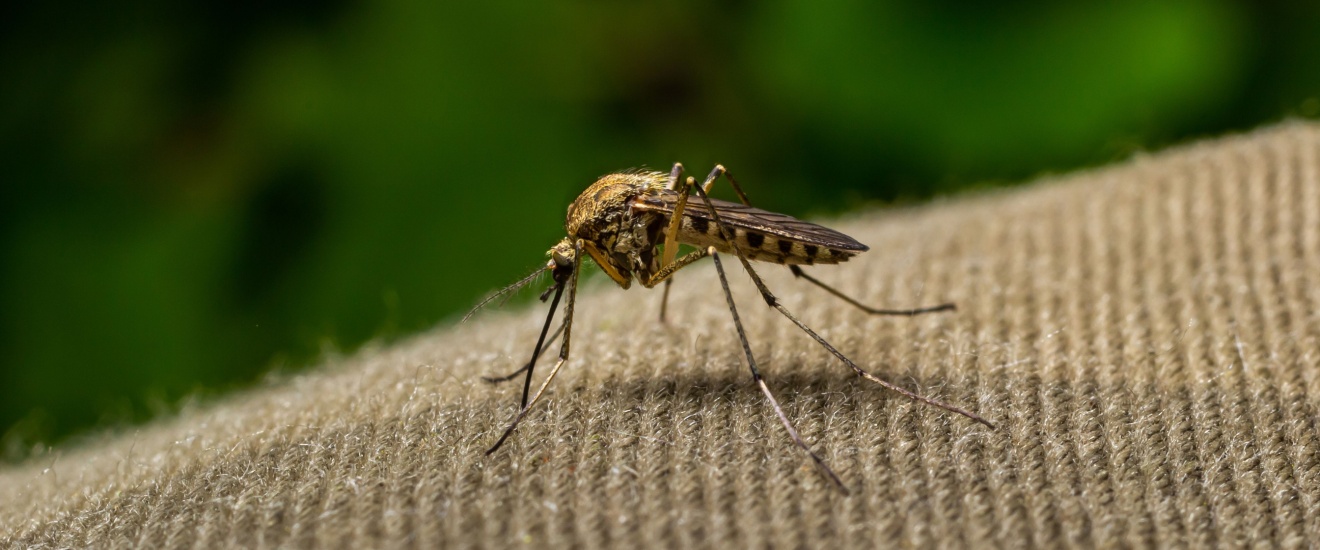
Mosquito activity in Southwest Oklahoma rises and falls with the weather, and the worst stretch runs from late spring into early fall. Warm temperatures and regular rainfall through these months give mosquitoes the heat and standing water they need to breed in large numbers, and homeowners in Lawton, Elgin, and the surrounding communities feel the difference once the season builds. Knowing when activity peaks makes it easier to time seasonal mosquito treatments for the best results.
Mosquito Season in Southwest Oklahoma
Mosquitoes become active once daytime temperatures stay consistently above the mid-50s, which in this part of Oklahoma usually happens in April. Their numbers build as the weather warms and rainfall increases, and they remain a problem until the first sustained cold of fall. The heaviest activity lines up with the hottest and most humid stretch of the year. Southwest Oklahoma’s pattern of warm springs, hot summers, and frequent storms gives mosquitoes a long window to breed, which is why the season here stretches across roughly half the calendar rather than a brief few weeks.
Late Spring
April and May bring the first noticeable mosquitoes of the year. Spring rains fill low areas, ditches, and containers, and the warming air speeds up the development of larvae. Activity at this point is moderate, which makes late spring a practical time to begin treatments before populations climb. Starting early keeps the first generations from establishing a foothold around a property.
Summer: The Peak Months
June, July, and August are the worst months for mosquitoes in Southwest Oklahoma. Daytime heat, high humidity, and summer thunderstorms create steady breeding conditions, and warm nights keep adult mosquitoes active well after dark. During this stretch a property can produce new generations every week or two, and spending time outdoors in the early morning or evening becomes difficult without protection. These are the months when consistent treatment matters most, because populations rebuild quickly between rains.
Early Fall
September and into October often bring a second push of activity. Lingering warmth and early-fall rains extend the season, and mosquitoes remain a nuisance until temperatures drop and stay down. Activity tapers gradually rather than ending all at once, so the need for treatment does not disappear the moment summer ends. A warm, wet fall can keep mosquitoes biting well into October, while an early cold snap shortens the season, which means the exact end point shifts from year to year.
Planning Treatments Around the Season
Because mosquito numbers track the weather, control works best as a program that runs through the active months rather than a single application. Boots Pest & Weed Control schedules mosquito service across the peak stretch, repeating treatments as populations rebuild so the yard stays usable through the worst of the season. Homeowners who commit to a full year of service also receive a discount as annual subscribers.
To get ahead of the season before activity peaks, contact the team for a free quote and put a treatment plan in place for the warm months.