
Understanding which rodent species affect Elgin homes helps homeowners recognize problems early, implement appropriate prevention strategies, and communicate effectively with pest control professionals. While several rodent species exist in Oklahoma, three types cause most residential problems, each with distinct characteristics, behaviors, and control requirements. Recognizing these differences helps address rodent issues effectively. Boots Pest & Weed Control understands the specific rodents affecting Elgin and implements targeted control strategies.
House Mice: The Most Common Intruder
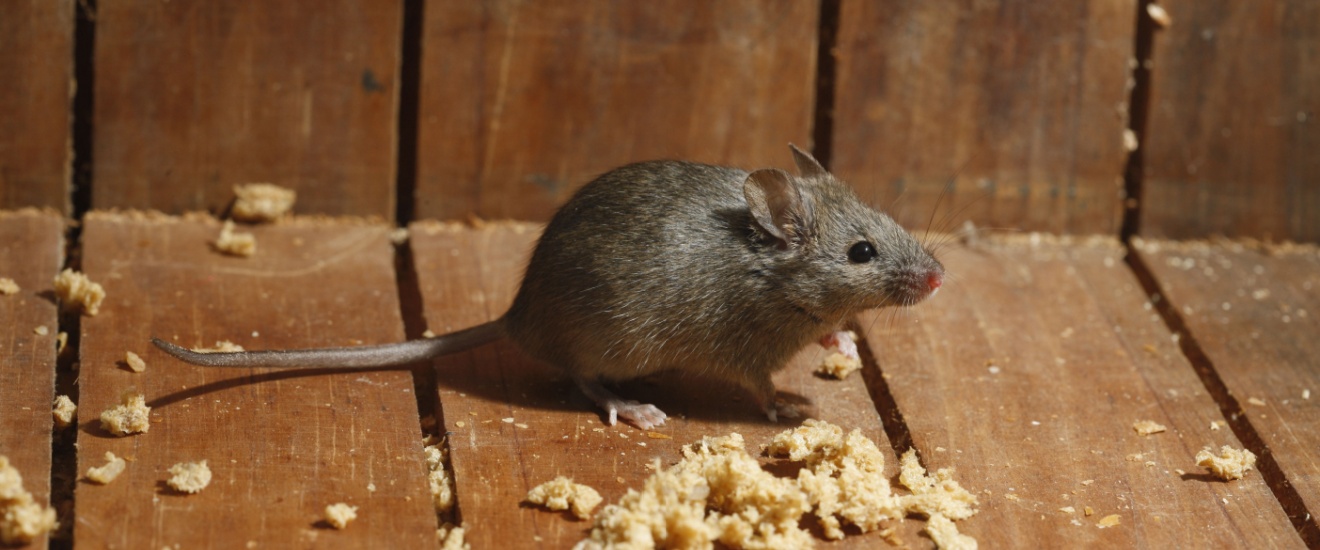
House mice are small brown-gray rodents that cause more residential problems in Elgin than any other rodent species:
- Physical characteristics include small size (2.5-3.5 inches body length excluding tail), large ears relative to body size, pointed nose, and light brown to gray coloring with a lighter underbelly. Their small size allows them to squeeze through remarkably tiny openings.
- Behavior patterns show mice are curious and exploratory rather than cautious like rats. They investigate new objects and areas readily, which actually makes trapping somewhat easier than for rats. Mice are primarily nocturnal but might be seen during the daytime in heavily infested properties.
- Reproduction rates are extremely high. Female mice can produce 5-10 litters annually with 5-6 pups per litter. Offspring reach sexual maturity in just weeks, meaning small mouse populations explode rapidly without control.
- Nesting preferences include wall voids, attics, cabinets, storage boxes, furniture voids, and any protected area offering insulation materials like paper, fabric, or insulation itself. Mice build small nests from shredded materials.
- Entry points mice exploit include gaps under doors, cracks in foundations, openings around utility penetrations, damaged weatherstripping, and any gap roughly the diameter of a dime or larger. Their flexible bodies squeeze through surprisingly small spaces.
- Signs of house mice include rice-sized dark droppings with pointed ends scattered along travel routes, gnaw marks on food packaging and structural materials, nests made from shredded paper or fabric, and sounds of scratching or scurrying in walls at night.
- Damage caused includes contamination of food with droppings and urine, gnawed electrical wiring creating fire hazards, damage to stored items and insulation, and general unsanitary conditions.
Roof Rats: The Climbing Specialists
Roof rats cause significant problems in some Elgin properties, particularly those with trees or where rats access from adjacent structures:
- Physical characteristics include sleek bodies 6-8 inches long, tails longer than their bodies, large ears and eyes, pointed noses, and black to brown coloring. They’re considerably larger than house mice but more slender than Norway rats.
- Behavior patterns show exceptional climbing ability. Roof rats are comfortable in elevated locations and rarely burrow. They’re active primarily at night and are more cautious than mice, often avoiding new objects (including traps) initially.
- Reproduction rates are lower than mice but still substantial. Females produce 3-6 litters annually with 5-8 pups per litter. While slower than mouse reproduction, roof rat populations still grow quickly.
- Nesting preferences include attics, wall voids in upper building levels, dense vegetation, tree canopies, and any elevated protected location. They prefer to nest at least 4 feet above ground when possible.
- Entry points include roof areas, gaps in eaves or where roofs meet walls, openings around roof penetrations, damaged roof vents, utility lines providing access to structures, and tree branches touching or overhanging buildings.
- Signs of roof rats include larger droppings (about 1/2 inch) that are curved and pointed at both ends, typically found in attics or upper cabinets. Gnaw marks on upper-level structural materials, rub marks along rafters or upper wall edges, and sounds of activity in ceilings indicate roof rats.
- Damage caused includes gnawed electrical wiring in attics, damaged insulation from nesting and urination, contamination of upper-level storage, and structural gnawing on wooden framing.
Norway Rats: The Ground Dwellers
- Norway rats are less common in residential Elgin properties than mice or roof rats but cause serious problems when present:
- Physical characteristics include heavy, robust bodies 7-9 inches long, tails shorter than body length, small ears and eyes relative to body size, blunt noses, and brown to gray coloring. They’re the largest common rodent affecting homes.
- Behavior patterns show preference for ground-level living. Norway rats create extensive burrow systems in soil and rarely climb compared to roof rats. They’re strong swimmers and can enter through sewer lines. Like roof rats, they’re cautious of new objects.
- Reproduction rates are similar to roof rats with 3-6 litters annually containing 6-8 pups each. Their larger size means individual rats consume more food and cause more damage than smaller species.
- Nesting preferences include underground burrows along foundations, under slabs or concrete, in lower building levels like basements or crawl spaces, and in ground-level protected areas. They prefer nest sites with soil contact.
- Entry points include gaps under doors, foundation cracks or gaps, damaged foundation vents, floor drains and sewer connections, and any ground-level opening. They can gnaw through wood, lead pipes, and cinder blocks to enlarge entry points.
- Signs of Norway rats include large droppings (about 3/4 inch) that are capsule-shaped with blunt ends, typically found along baseboards or in lower cabinets. Burrow openings near foundations, gnaw marks on lower structural elements, and sounds in basements or lower walls indicate Norway rats.
- Damage caused includes extensive burrowing undermining foundations or walkways, gnawed structural materials at ground level, contamination throughout lower building areas, and damage from their powerful gnawing.
Distinguishing Between Species
Why identification matters:
Control methods differ—roof rats require focus on upper building levels and aerial access points, while Norway rats need ground-level exclusion and burrow treatment.
Trap placement varies—mice need numerous small traps along walls, roof rats require elevated placement, and Norway rats need larger ground-level devices.
Bait preferences differ between species, affecting which attractants work best.
Entry point identification depends on understanding which species you’re dealing with and where they’re likely accessing your property.
Seasonal Activity Patterns
Oklahoma’s climate affects rodent behavior throughout the year:
- Fall infiltration increases as temperatures cool and rodents seek indoor shelter. September through November sees peak infiltration attempts.
- Winter persistence continues because Oklahoma winters are mild enough that rodents remain active rather than entering true dormancy. Indoor activity may actually peak during cold months.
- Spring and summer maintain rodent problems year-round, as warm temperatures and available outdoor food don’t drive rodents outside. Breeding continues through warm months, increasing populations.
Health Concerns from All Species
Regardless of species, rodents present health risks:
Disease transmission through direct contact with rodents or their waste, contamination of food preparation surfaces, and breathing dust contaminated with rodent droppings.
Parasites, including fleas, ticks, and mites, that rodents carry into homes.
Allergens from rodent urine and droppings that can trigger asthma and respiratory issues.
Bite risks when rodents are cornered or handled.
Prevention Applies to All Species
While control methods differ between species, prevention strategies work broadly:
Seal entry points appropriate to the size of rodents you’re preventing—mice need smaller gaps sealed than rats.
Eliminate food sources by proper storage, waste management, and cleaning.
Remove water sources, including fixing leaks and eliminating standing water.
Reduce harborage by maintaining organized storage, trimming vegetation, and removing debris.
When to Call Professionals
Rodent identification and control often requires professional expertise:
- If you’re uncertain which rodent species you have, professionals identify them accurately from evidence.
- If DIY attempts aren’t succeeding, expertise and proper equipment make elimination more likely.
- If rodents are in inaccessible areas like wall voids or under slabs, specialized techniques are needed.
- If populations are large or infestations are established throughout homes, comprehensive professional treatment is most effective.
Understanding which rodents affect your Elgin home helps you recognize problems and implement appropriate responses. Contact Boots Pest & Weed Control for identification and elimination of whatever rodent species are affecting your property.