
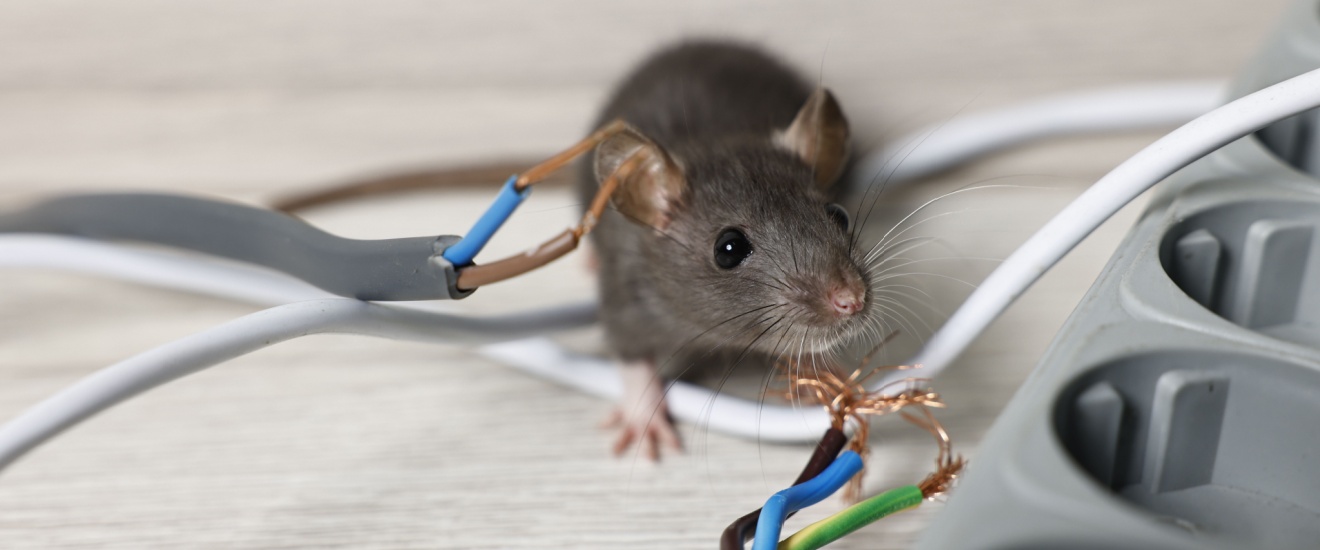
Rodent damage goes far beyond the disgust of finding droppings or hearing scratching in walls. House mice, roof rats, and Norway rats cause substantial property damage that accumulates over time, affecting structural integrity, creating fire hazards, and requiring expensive repairs. Understanding how rodents damage homes helps Elgin homeowners recognize the urgency of addressing infestations promptly and appreciate why professional elimination matters. Boots Pest & Weed Control protects Elgin homes from the extensive damage rodents cause when left unchecked.
Electrical Wiring: The Most Dangerous Damage
Rodents gnawing through electrical wiring creates serious fire hazards throughout homes:
- Why rodents chew wiring relates to their biological need to gnaw constantly. Rodent teeth grow continuously throughout their lives, and gnawing keeps teeth worn to a manageable length. Unfortunately, electrical wiring provides an attractive gnawing surface, particularly in attics, walls, and areas where rodents nest or travel.
- Fire hazard creation occurs when gnawing exposes copper conductors. Once protective insulation is breached, exposed wires can spark, overheat, or short-circuit. These electrical faults can ignite surrounding combustible materials, including wood framing, insulation, or stored items in attics.
- Difficulty detecting damage compounds the hazard because wiring damage typically occurs inside walls, in attics, or in other areas homeowners don’t regularly inspect. Electrical problems might manifest as flickering lights, outlets that don’t work, or circuit breakers that trip, but homeowners often don’t connect these symptoms to rodent damage until inspections reveal gnawed wiring.
- Repair costs can be substantial depending on damage extent and accessibility. Rewiring sections of homes requires electrician expertise, often involves opening walls or ceilings to access damaged wiring, and includes costs for both materials and skilled labor. Extensive wiring damage throughout homes can cost thousands of dollars to repair properly.
- Insurance considerations vary—some homeowners policies cover electrical repairs from rodent damage, while others exclude pest-related damage. Review your policy and document any damage discovered for potential claims.
Insulation Destruction
Rodents cause extensive insulation damage through nesting and contamination:
- Nesting material collection involves rodents tearing apart insulation to create soft nesting material. Mice and rats pull fiberglass, cellulose, or foam insulation into clumps for nests, leaving damaged sections throughout attics or wall cavities.
- Urine and feces contamination saturates insulation with rodent waste. Rodents urinate and defecate throughout their territories, and insulation in areas where rodents are active becomes heavily contaminated over time. This contamination creates unsanitary conditions and may contribute to respiratory issues for home occupants.
- Compaction from traffic reduces insulation effectiveness. As rodents repeatedly travel through insulation, they compress it, reducing the air pockets that provide insulating value. Heavily traveled areas might have insulation compressed to a fraction of its intended thickness.
- Reduced energy efficiency results from damaged and contaminated insulation losing its insulating properties. Homes with rodent-damaged attic insulation experience increased heating and cooling costs as conditioned air escapes through poorly insulated areas.
- Replacement requirements often become necessary when contamination and damage are extensive. Simply treating for rodents doesn’t restore insulation functionality—heavily damaged insulation requires removal and replacement, which represents a substantial expense.
Structural Wood Damage
Rodents gnaw structural elements throughout homes:
- Floor joists and subflooring particularly in homes with crawl spaces or basements, may show rodent gnawing. Norway rats accessing lower building levels gnaw floor supports, and over time this can compromise structural integrity.
- Wall studs in areas where rodents nest or travel may have gnaw marks weakening wood framing. While rodents rarely consume enough wood to cause immediate structural failure, accumulated damage over years can require repairs.
- Roof framing suffers when roof rats establish themselves in attics. Rafters, trusses, and roof decking may all show gnawing damage that, in severe cases, weakens roof structure.
- Door and window frames particularly where wood contacts ground or where moisture has already compromised wood, attract rodent gnawing. Damaged frames affect doors and windows functioning properly.
- Cost implications of repairing structural damage depend on extent and location. Minor gnawing might require cosmetic repairs, but substantial structural damage necessitates sistering new lumber alongside damaged elements or replacing compromised structural members entirely.
HVAC System Impacts
Heating and cooling systems suffer various rodent-related damage:
- Ductwork damage occurs when rodents gnaw through flexible ducting or damage duct insulation. Compromised ducts allow conditioned air to escape into unconditioned spaces like attics, drastically reducing HVAC efficiency.
- Filter and mechanical damage results from rodents nesting in or around HVAC equipment. Nests can block airflow, interfere with mechanical operation, or damage sensitive components.
- Contamination throughout systems spreads as HVAC equipment pulls air through rodent-contaminated attics or spaces, distributing rodent allergens throughout homes via supply vents.
- Efficiency losses from damaged ductwork or blocked equipment increase energy costs and may shorten HVAC system lifespan as equipment works harder to maintain temperatures.
Stored Items and Personal Property
Rodent damage extends to belongings stored throughout homes:
- Attic storage suffers heavily in homes with roof rats or mice. Holiday decorations, clothing, documents, photographs, and other items stored in attics may be damaged by gnawing, nesting, or contamination.
- Garage and storage areas where mice or Norway rats establish also experience damage to stored items, including cardboard boxes gnawed for nesting material, fabric items used in nests, paper goods including books and documents, and sentimental items that can’t be replaced.
- Kitchen contamination ruins food products when rodents access pantries or cabinets. Contaminated food must be discarded, and the financial loss accumulates when infestations persist over time.
Financial Impact of Accumulated Damage
Understanding the total cost of rodent damage helps justify prompt professional treatment:
Individual damage types—electrical repairs, insulation replacement, structural repairs, and contaminated items replacement—each represent substantial expenses. When multiple damage types accumulate, total repair costs can reach tens of thousands of dollars for severe long-term infestations.
Reduced property value results from rodent damage that goes unaddressed. Home inspections before sales often reveal rodent problems and damage, affecting negotiations or requiring sellers to complete expensive repairs before closing.
Increased insurance premiums may result if multiple claims are filed for rodent-related damage, assuming policies cover such damage.
Comparison to prevention and treatment costs shows that professional rodent control costing hundreds to low thousands of dollars is far more economical than tens of thousands in damage repairs.
Time Factor in Damage Accumulation
Rodent damage doesn’t happen overnight but accumulates progressively:
Early infestations with just a few rodents cause limited initial damage—some droppings, minor gnawing, perhaps small amounts of insulation disturbance.
Established populations with dozens of active rodents cause accelerating damage as multiple individuals gnaw various materials, numerous nests destroy insulation throughout spaces, and heavy traffic compacts and contaminates larger areas.
Long-term infestations measured in years create catastrophic damage requiring extensive repairs. By the time damage becomes obvious enough that homeowners can’t ignore it, problems are severe.
This progressive nature means early intervention prevents the extensive damage that develops when rodent problems are tolerated or ignored.
Protecting Your Investment
Your Elgin home represents a substantial investment deserving protection from rodent damage:
Prompt professional treatment when rodent evidence appears prevents minor problems from becoming major damage situations.
Regular inspections, even without obvious rodent activity, help detect early infiltration before populations establish.
Proper exclusion after eliminating existing rodents prevents future infestations and the damage they would cause.
Don’t let rodents destroy your home’s electrical systems, insulation, structure, and belongings. Contact Boots Pest & Weed Control for rodent control that protects your property from the extensive damage these persistent pests cause.