
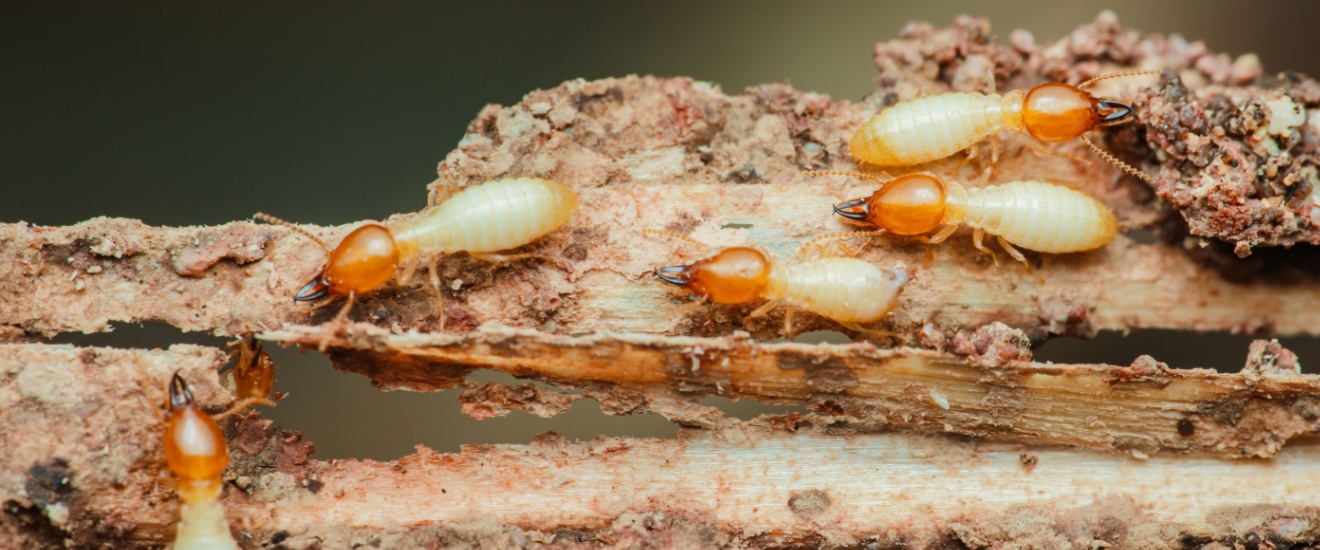
Termite problems in Elgin require specialized expertise beyond general pest control. Subterranean termites—the species affecting Oklahoma properties—can cause thousands of dollars in structural damage when left undetected, and eliminating established colonies requires knowledge, experience, and treatment methods specifically designed for termite control. The “best” termite exterminator combines proven elimination methods, comprehensive property inspection, and preventive strategies that protect homes long-term. Boots Pest & Weed Control provides the termite expertise Elgin homeowners need when facing these destructive pests.
The Specialized Nature of Termite Control
Termites differ fundamentally from other pests in ways that affect control strategies:
- Hidden activity means termites consume wood from the inside, leaving exterior surfaces appearing intact until damage is extensive. By the time homeowners notice termite signs, colonies have usually been feeding for months or years.
- Colony structure with underground nests containing hundreds of thousands of individuals requires treatment methods reaching entire populations rather than just killing visible workers. Eliminating termites demands addressing colonies at their source.
- Continuous threat persists because termite colonies don’t naturally leave properties—they continue feeding and growing unless eliminated or prevented through professional treatment.
- Structural damage potential makes termites far more serious than nuisance pests. Left untreated, termites can compromise homes’ structural integrity, requiring expensive repairs that far exceed termite treatment costs.
Termite Conditions in Oklahoma
Oklahoma’s climate and soil conditions create favorable environments for subterranean termites:
Warm temperatures and adequate soil moisture for much of the year allow termite colonies to remain active through extended seasons. While termite activity slows during winter cold, Oklahoma’s relatively mild winters don’t eliminate colonies—they simply reduce above-ground activity temporarily.
Red clay soils common in Southwest Oklahoma retain moisture well, providing termites with the moist conditions they need to survive. These soils also support extensive underground tunnel systems termites use to access structures from colony locations that might be hundreds of feet away.
Wooden structures throughout Elgin provide abundant food for termite colonies once they discover access points. Homes built on slab foundations, with crawl spaces, or with basements all face termite risks if not properly protected.
Warning Signs for Homeowners
Early termite detection prevents extensive damage, making awareness of warning signs important:
- Mud tubes on foundation walls indicate subterranean termite activity. These pencil-width tubes are enclosed tunnels termites build to travel between soil and wood while maintaining the moist, protected environment they require.
- Swarmers are winged reproductive termites that emerge from mature colonies during spring months. Finding discarded wings near windows or doors suggests an established termite colony on or near your property.
- Damaged wood that sounds hollow when tapped, breaks easily under light pressure, or shows galleries when broken open indicates termite feeding. Damage often occurs in areas with moisture problems where wood is already compromised.
- Sagging floors or doors that suddenly stick might indicate termite damage to subfloor joists or door frames, though these signs suggest extensive damage that’s been developing for a considerable time.
Thorough Property Evaluation
Effective termite control begins with thorough property inspection:
- Exterior assessment examines foundation walls for mud tubes, areas where wood contacts soil, moisture problems from drainage issues, conducive conditions including mulch against foundations or wood debris near structures, and potential termite entry points.
- Interior inspection checks basements or crawl spaces when accessible, areas around plumbing fixtures where moisture might attract termites, cabinets and areas under sinks, and any locations where wood shows suspicious damage.
- Moisture evaluation identifies conditions creating elevated moisture that attracts termites. Leaking plumbing, poor drainage, HVAC condensation, and other moisture sources all increase termite risk.
Professional termite inspectors know where termites are likely to be active based on property features, construction type, and environmental conditions. They identify evidence homeowners typically miss.
Elimination Approaches
Several approaches can eliminate termites depending on infestation extent and property characteristics:
- Liquid termiticide treatments applied to soil around and sometimes under structures create treated zones that kill termites attempting to access buildings. Modern termiticides remain effective for years, providing long-term protection.
- Termite baiting systems use strategically placed monitoring stations around property perimeters. When termites are detected in monitors, bait stations are installed. Termites consume bait and carry it back to colonies, eventually eliminating entire populations, including queens.
- Targeted treatments address localized termite activity through direct application to affected areas when full perimeter treatment isn’t necessary or practical.
- Preventive treatments before construction or during renovation create barriers preventing termite access to structures. Pre-construction treatment is particularly effective for new homes.
The appropriate treatment depends on factors including infestation severity and location, property construction and accessibility, homeowner preferences and budget, and environmental considerations.
Long-Term Protection Strategies
Eliminating existing termite colonies is only part of comprehensive termite protection. Preventing reinfestation requires ongoing vigilance:
- Maintaining moisture control by fixing leaks, ensuring proper drainage, and addressing any water problems reduces conditions attracting termites.
- Eliminating wood-to-soil contact including landscape timbers, firewood storage, fence posts, and other wood directly contacting the ground, removes easy termite access to food sources.
- Regular inspections detect new termite activity early, when treatment is simpler and before damage accumulates.
- Barrier maintenance ensures any termiticide treatments or physical barriers remain effective over time.
Boots Pest & Weed Control brings termite expertise to Elgin properties, combining systematic inspection, proven treatment methods, and ongoing protection that prevents termite damage. Don’t wait until you discover damaged wood to address termite threats. Contact Boots Pest & Weed Control for termite inspection and treatment, protecting your Elgin home from Oklahoma’s most destructive pest.