
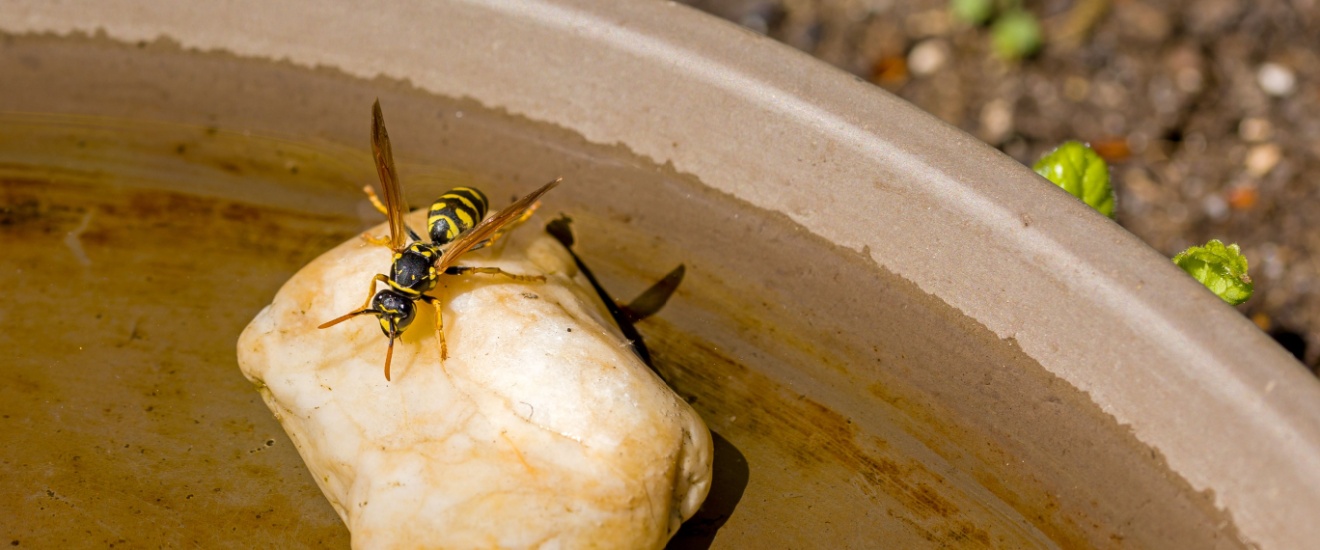
By late summer, wasp colonies around Lawton have reached their largest size of the year, and that timing explains the increase in aggressive behavior homeowners notice. A nest that began with a single queen in spring can hold hundreds of workers by August, and as the season turns, the colony’s food supply starts to run short. The combination of crowded nests and competition for food makes wasps more defensive and more willing to sting. When activity climbs near a home in late summer, professional stinging insect control is the safest way to deal with it.
Why Late-Summer Wasps Behave Differently
Wasps follow an annual cycle. A queen starts a new nest each spring, the colony grows through the summer, and worker numbers peak in late summer and early fall. A larger colony means more wasps defending the nest and more individuals out foraging near homes. At the same time, the insects and larvae that wasps feed on earlier in the season become harder to find, so the workers range farther and turn to other food sources, including the sweet drinks and food found at outdoor gatherings. This shift is why wasps that ignored a backyard in June can seem to take it over by late August, when more of them are active and competing for a shrinking food supply.
Yellow Jackets and the Late-Season Food Shortage
Yellow jackets show the change most clearly. They nest in the ground or in wall voids and tend to be aggressive when disturbed, and that tendency intensifies as their natural food declines. By late summer they are drawn to the sugary and protein-rich foods around patios, trash cans, and recycling bins, which puts them in direct contact with people. A yellow jacket that senses a threat to its nest or food source can sting more than once, and a disturbed colony may respond in numbers.
Where Aggressive Wasps Cause Problems Around the Home
Late-summer wasp activity tends to concentrate where people spend time outdoors. Common trouble spots include:
- Patios, decks, and porches where food and drinks are present
- Trash cans, recycling bins, and compost areas
- Eaves, soffits, and wall voids near entry points
- Gardens and fruit trees where fallen produce ferments
Nests hidden in the ground or inside walls are especially risky, because a homeowner can disturb one without realizing it is there.
Handling Late-Summer Wasp Activity
Knocking down or spraying a visible nest does not address the danger of a large, agitated colony, and disturbed wasps can react quickly. Boots Pest & Weed Control identifies the specific stinging insect, treats and removes accessible nests when possible, and works to limit the effect on beneficial pollinators such as honey bees so the treatment stays focused on the problem insects. If pests return between scheduled visits, the team comes back and treats again at no additional cost, which matters during the weeks when colonies are at their peak.
To handle a late-summer wasp problem safely, request a free quote and let the team assess the nest and the surrounding area.